
The Hidden Impact of Brain Injuries in Domestic Violence

For survivors of domestic violence, a brain injury can add another layer of trauma.
A brain injury is a change in brain function. It can happen when the brain is harmed by impact or violent shaking. It can also happen when the brain does not get enough oxygen. Strangulation can damage arteries or veins in the neck that may lead to stroke and subsequent brain injury.
Brain injuries can affect how a person thinks, feels, and acts.
Brain Injury in Domestic Violence
According to Brain Injury Canada, up to 92% of intimate partner violence cases involve hits to the head, face, and neck.
Brain injuries are not always easy to diagnose or treat. People with brain injuries may also face stigma or barriers to support. Because symptoms are not always visible, others may think the person is “lazy, dramatic, or not trying hard enough.”
Virginia* came to Radiance after leaving an unsafe relationship where physical and emotional abuse occurred over many years. During the relationship, she experienced repeated injuries to her head and body, sustaining multiple broken bones and concussions.
At Radiance, Virginia shared that she often felt misunderstood. She described how her family members became frustrated when she forgot plans or commitments. They thought she was being careless. In reality, a brain injury was affecting her memory and daily life.
Virginia’s story is not uncommon. Brain injuries among survivors of domestic violence are often missed, even though they can affect health, safety, and wellbeing for a long time.
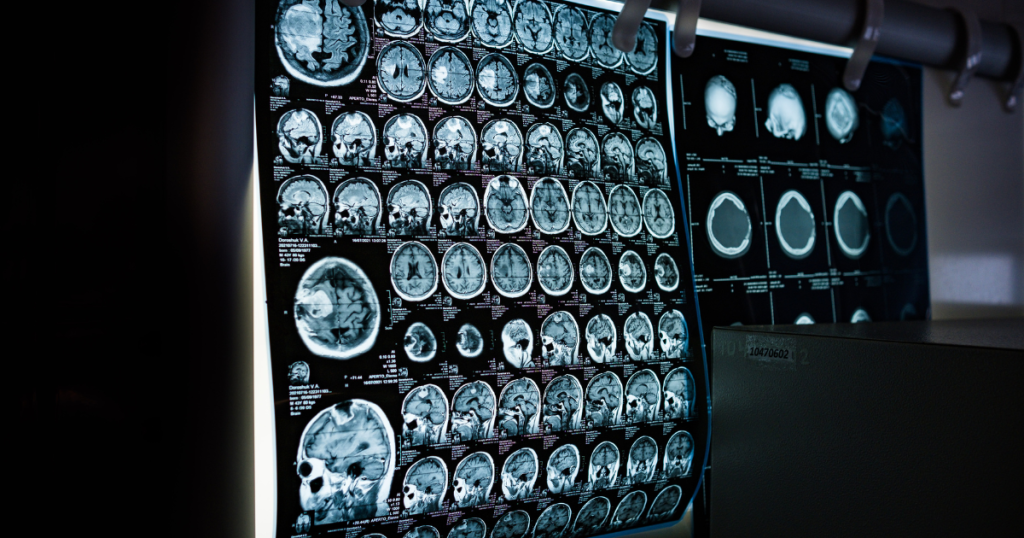
When Brain Injuries Remain Hidden
Stigma, fear, and victim-blaming can make it hard for survivors to talk about abuse or seek medical care. As a result, brain injuries linked to domestic violence often remain hidden. SOAR reports that up to 75% of women who experience abuse do not seek medical help for a suspected brain injury.
Virginia’s experience reflected this reality. She misplaced items more often. Some days, she forgot appointments. She had trouble focusing and sleeping. She also became anxious and overwhelmed in busy places.
SOAR also reports that survivors of domestic violence are at risk of repeated brain injuries. If the brain does not have enough time to heal between injuries, symptoms can get worse. Recovery can also take longer. These brain injuries can lead to lasting problems with memory, mood, and thinking. More than 40% of people with moderate to severe brain injuries still have these problems after one year.
Supporting Survivors with Brain Injuries
A brain injury can affect memory, focus, emotions, sleep, and a person’s sense of safety. These symptoms can look like trauma responses, so brain injuries may be missed or misunderstood.
For survivors of domestic violence, this can make healing harder. A person may be coping with trauma while also struggling with memory, focus, decision-making, and emotional control. Without support, everyday tasks can feel overwhelming.
At Radiance, Virginia met people who listened without judgment. During her year-long stay, her case manager met with her each week and helped her build practical strategies to regain confidence and independence.
Simple supports can make a real difference. Written reminders, steady routines, quiet spaces, safety planning, and patient communication can help survivors manage symptoms and feel more in control.
For Virginia, being listened to and believed helped her feel seen as a human being again. Her story reminds us why it matters to look beyond what is visible. Forgetfulness, fatigue, anxiety, trouble focusing, and emotional overwhelm may not be signs that a survivor is unwilling or unable to heal. They may be signs of a brain injury that has gone unseen.
When survivors are treated as capable people who deserve care, they can rebuild with confidence and hope.
Brain injuries from domestic violence are often hidden, but survivors should not be. By listening, believing, and offering practical support, we can help domestic violence survivors feel more understood and more in control of their lives as they heal.
*Name changed to protect privacy